

Article Summary
Children’s tooth decay often starts without symptoms and may appear as a chalky white spot near the gum line before it hurts. As decay progresses, the white spots may darken to light brown or black patches, and pits or holes may appear on the tooth surface. Children may also show behavioral symptoms, such as sensitivity to hot, cold, or sweet foods; chewing on one side of the mouth; or avoiding one side of the mouth altogether.
What Are the Early Signs of Tooth Decay in Children?
The first sign of decay in children’s teeth is often a chalky white spot or band close to the gum line, and it will often show before any pain is experienced. These white spots signal early enamel demineralization and can be hard to spot when you look at your child’s teeth. As decay progresses, the spots may turn dark, small pits may develop, and your child may start reacting to hot, cold, and sweet foods.
Early detection matters because tooth decay is still one of the most common chronic diseases in childhood. This article covers the stages of decay, early signs of cavities, and what parents should look for as decay advances.
How Does Tooth Decay Begin in a Child’s Teeth?
Bacteria in the mouth convert sugars in food and beverages into acid, which gradually dissolves the tooth’s enamel. Early detection makes tooth decay easy to treat, according to the Centers for Disease Control and Prevention, because it is the most common chronic disease in children.
How Plaque and Bacteria Affect Tooth Enamel
Plaque is a sticky film of bacteria that forms on teeth all day, especially after eating and snacking. Each time your child eats something sweet or starchy, the acid in the plaque erodes the enamel, and if there isn’t enough time between acid attacks for the enamel to repair, it can eventually decay.
Why Early Decay May Not Cause Pain
Early decay usually doesn’t cause pain because it isn’t in the deepest parts of the tooth where the nerves are. Regular dental check-ups matter even when a child has no discomfort. Because the outer enamel contains no nerve endings.
Understanding the First Stage of Demineralization
The loss of minerals is what occurs when a tooth’s enamel is softened by acid; this is called demineralisation. Good oral health, fluoride and dietary changes may prevent or even repair the damage in some cases, making it easier for parents to have more options than if the cavity has been fully formed.
What Do Early Cavities Look Like?
Early cavities usually show up as changes on the tooth’s surface, not as pain. A few simple brushing techniques and a quick at-home check may help parents spot issues before they become serious.
White or Chalky Spots on Teeth
The first visible sign of decay is chalky, dull white patches or bands around the gum line. These areas show that the enamel has begun to demineralize, and people often mistake them for a normal tooth appearance rather than an early warning sign.
Light Brown or Darker Discoloration
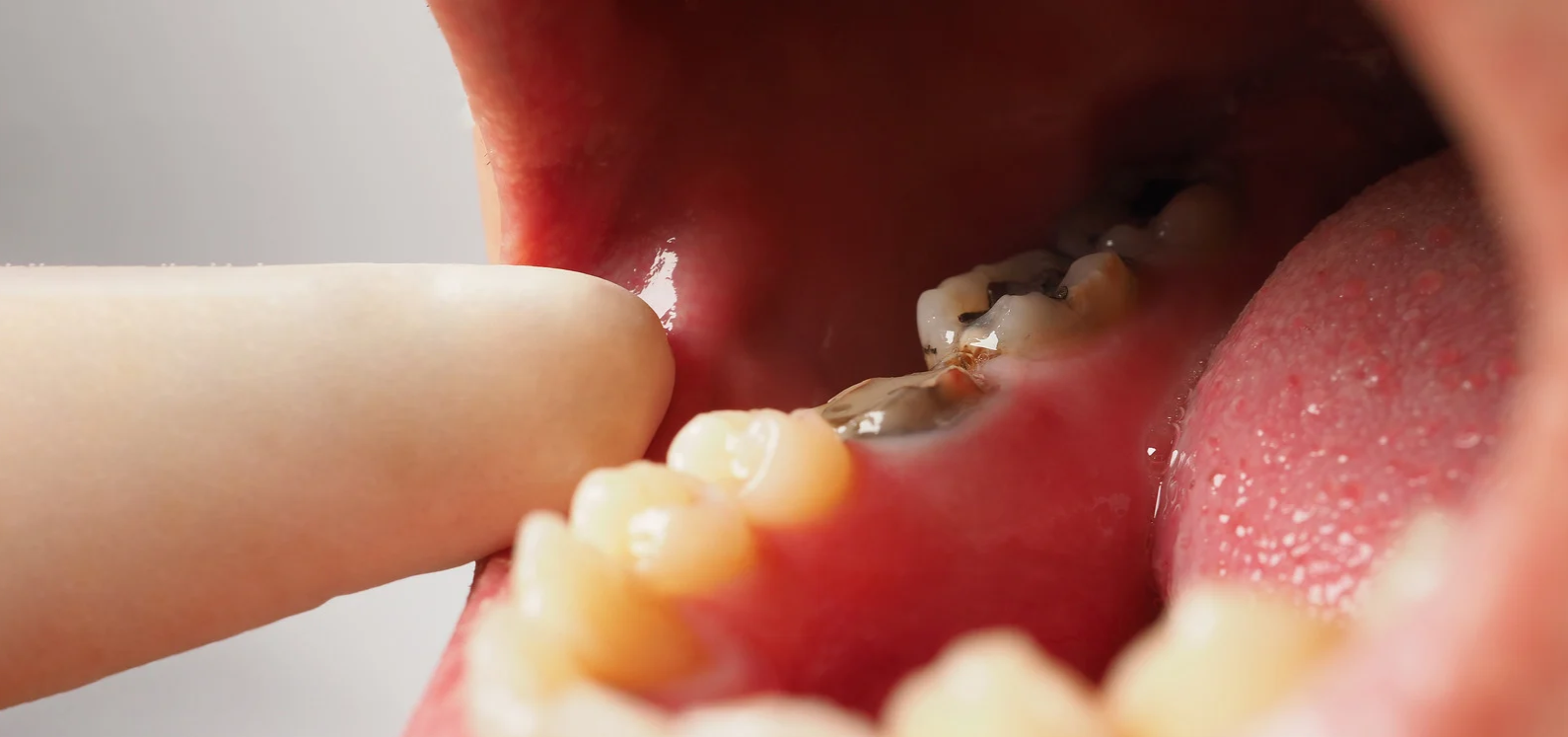
Over time, the white spots may turn light brown, dark brown, or even black. This color shift shows the decay is at a more advanced stage. It is now causing further destruction of the tooth structure.
Small Pits or Holes in the Tooth
Tiny pits, rough patches, or visible openings on the tooth surface indicate that a cavity has already developed. The damage won’t correct itself naturally, so a dentist will need to treat the tooth to prevent further decay.
What Symptoms Can Children Experience as Decay Progresses?
As the tooth decay progresses from the enamel into the deeper layers of the tooth, children can have many physical and behavioral symptoms. Younger children may not be able to tell parents what is causing their discomfort; they may only complain of pain indirectly.
Sensitivity to Cold, Hot, or Sweet Foods
If a child winces, pulls away, or complains while eating or drinking something cold, hot, or sweet, it shows the tooth is more sensitive. This sensitivity happens when decay has moved further into the tooth.
Toothache or Pain While Eating
If a child complains of a toothache or feels discomfort when eating, tooth decay has likely broken through the outer enamel and is causing pain in the tooth’s inner layers. When your toddler cannot express pain directly, he or she might cry while eating or be unusually fussy around mealtime.
Pain When Biting or Chewing
If pain occurs only during biting and chewing, particularly on one side of the mouth, it may point to a cavity in a particular tooth. Some children start avoiding foods or chew only on one side of their mouth without being able to say why.
Swelling Around an Affected Tooth
When swelling is near a tooth and bad breath persists even after brushing, it signals that decay has become an infection. When swelling occurs, the American Dental Association advises you to make your dental appointment as soon as possible, as it is usually best treated at an early stage.
How Do the Stages of Tooth Decay Compare?
Tooth decay in children usually moves through some predictable stages and ranges from a painless, white spot to holes, sensitivity, and swelling. The table below matches each stage with what parents may notice and what it typically means for treatment.
Stage | What It Looks Like | What It Means |
| Early Demineralization | Chalky white spots or a thin white band near the gum line; no visible hole yet. | The enamel is losing minerals but hasn’t broken down yet; often painless and easy to miss. |
| Visible Discoloration | White spots darken into light brown, dark brown, or black patches. | Decay has progressed past the surface and is breaking down more of the tooth structure. |
| Pits or Holes | Small rough spots or visible openings on the tooth surface. | A cavity has formed and needs a dentist’s attention to stop it from worsening. |
| Pain or Swelling | Sensitivity, toothache, pain while chewing, or swelling around a tooth. | Decay has reached deeper layers of the tooth and needs prompt dental care. |
Frequently Asked Questions
What is the first sign of tooth decay in a child?
The first sign is a chalky white spot or band near the gum line. It usually appears before any pain or visible hole develops.
Can a child have a cavity without having pain?
Yes, early cavities often don’t cause pain because the outer enamel has no nerve endings. For this reason, regular dental checkups matter even if there are no pain complaints.
What do early cavities look like on baby teeth?
Early cavities on baby teeth are like white, chalky spots near the gum line. Afterwards, they darken into brown or black patches as decay progresses.
Can white spots on a child’s teeth be a sign of decay?
Yes, white or chalky spots are the earliest visible sign of tooth decay. It also marks the beginning of enamel mineral loss.
When should I take my child to the dentist for a possible cavity?
Schedule a visit as soon as you notice white spots, discoloration, sensitivity, or pain, rather than waiting to see if symptoms disappear on their own.
Can early tooth decay in children be prevented?
Yes, you can prevent it with consistent brushing, fluoride use, limiting sugary snacks, and regular dental checkups. These can prevent decay or catch it early enough to reverse it.
Bottom Line
The first sign of early tooth decay in children is painless white spots near the gum line, long before the appearance of a cavity or any discomfort. As decay advances, parents may notice discoloration, small pits, sensitivity, or pain while eating. All of these mean a dental visit is a must.
Smile Cove Pediatric Dentistry can check your child’s teeth for early signs of decay and help you build simple habits to protect their smile. Schedule a consultation now if you have noticed any of these warning signs or if your child is due for a routine checkup.

Smile Cove Pediatric Dental

Smile Cove Pediatric Dental
Gentle, Fun & Expert Pediatric Dental Care
Schedule an Appointment