Article Summary
A child’s diet affects cavity risk, as the bacteria in the mouth are nourished by sugars and starches, which eventually break down the tooth enamel. Sugary candies, sticky foods, and drinks like juice and soda are the biggest causes of cavities, especially when children consume them often throughout the day. Conversely, calcium-rich foods, crunchy fruits and vegetables, and plain water can help protect teeth between meals.
How Can a Child’s Diet Affect Their Risk of Cavities?
A child’s diet can have an impact on cavity risk since bacteria in the mouth will eat the sugars and starches in food and create acid that gradually erodes the tooth’s enamel. The more often a child’s teeth are exposed to sugar or starch during the day, the greater the risk of bacterial attacks.
Starchy, sweet, and sticky foods and drinks are often the most harmful. Calcium-rich foods, crunchy produce, and plain water help protect teeth between meals. This article explains how cavities form, which foods and drinks cause them, snacking habits, and food choices that promote good oral health.
How Does Food Cause Cavities in Children?
Food causes cavities in children because bacteria already in their mouths use sugars and starches to create acid as a byproduct. That acid dissolves the enamel of the teeth, and repeated attacks before sufficient recovery cause the cavity. According to the American Dental Association, it’s not just how much sugar a child consumes, but how often they consume it, that counts.
What Happens When Oral Bacteria Meet Sugars
All mouths have a thin layer of bacteria called plaque. When sugars from food or drinks reach this plaque, they produce acid as a metabolic byproduct. This process begins within minutes of eating or drinking, which is why frequent sugar exposure matters.
How Plaque Acids Attack Tooth Enamel
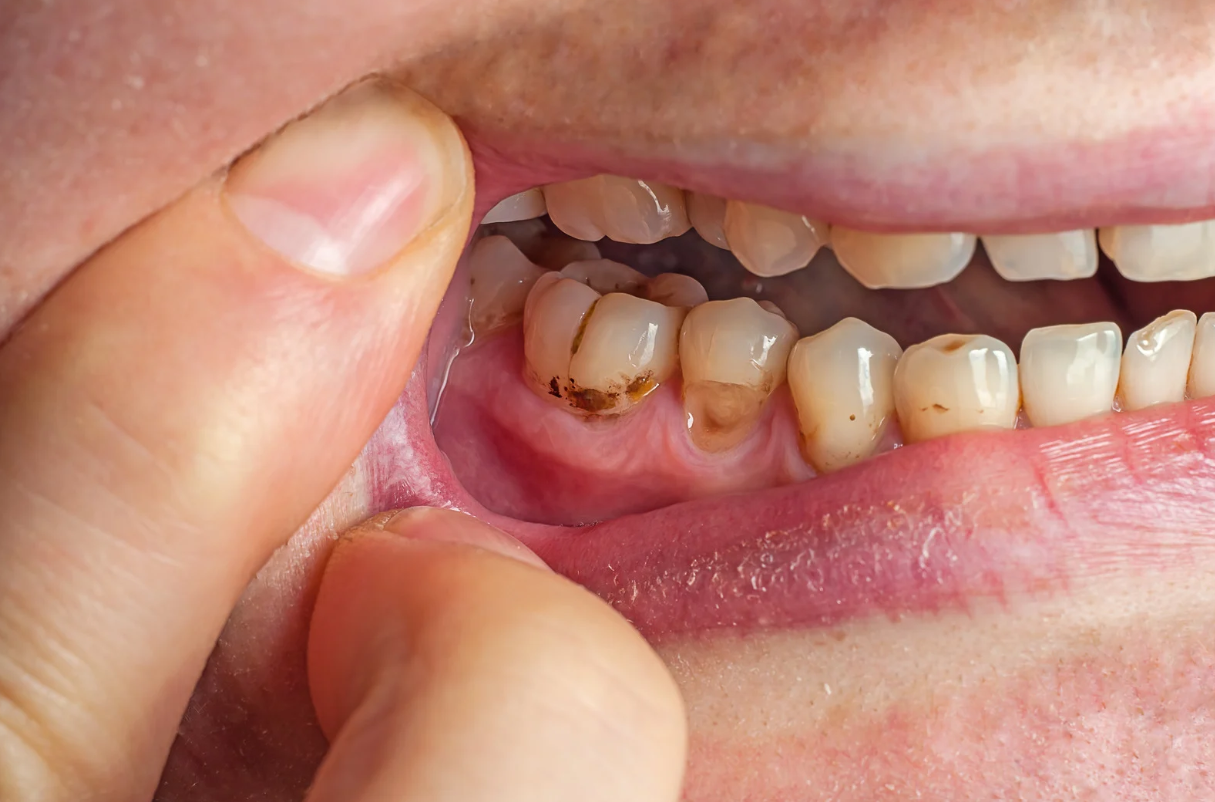
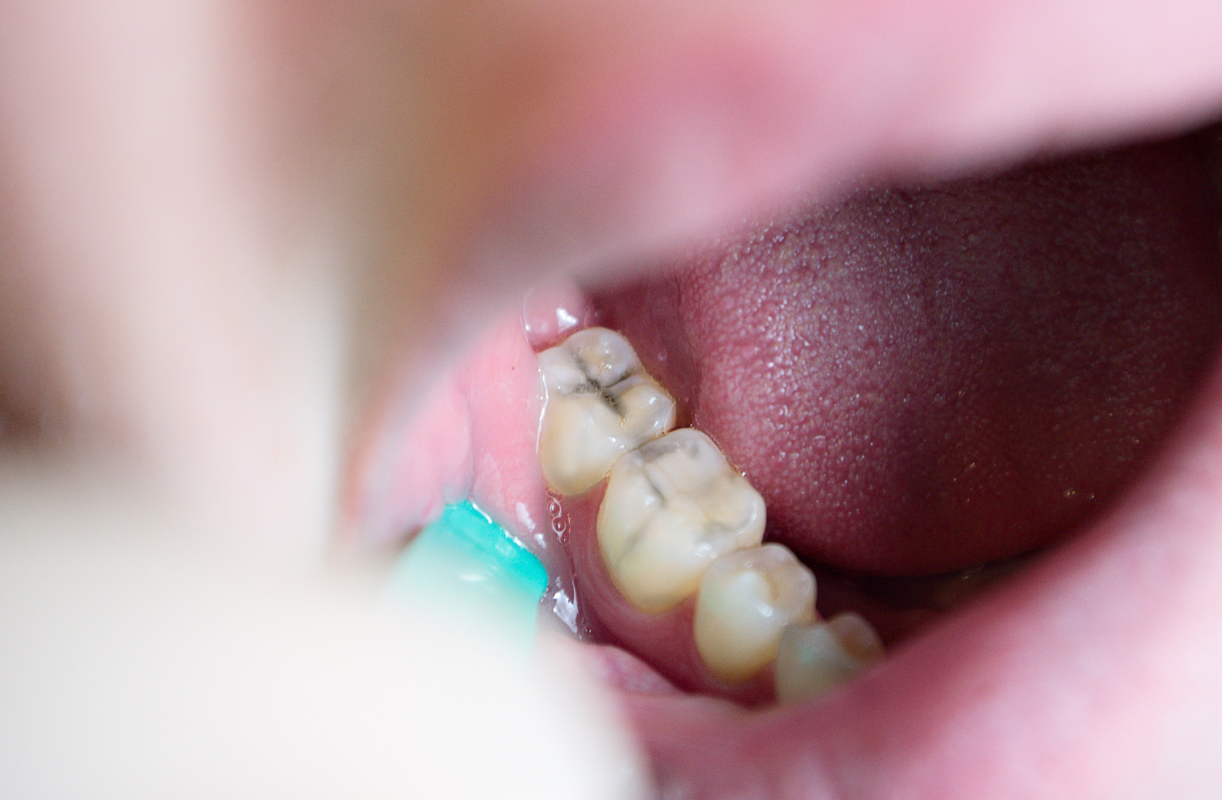
Demineralization is the process by which plaque bacteria’s acid removes minerals from tooth enamel. The acid is neutralized by saliva, which restores some of those minerals, but it takes time to do so. If attacks occur too frequently, saliva can’t keep up, and the enamel slowly weakens.
Why Frequent Exposure Matters
When a child eats a candy bar in one sitting, they get acid on their teeth for a short period of time. If a child drinks a sweetened beverage or eats a sweet food all afternoon, acid attacks their teeth constantly. It is the frequency, rather than the total amount, that is more important when it comes to cavity risk.
Which Foods and Drinks Increase Cavity Risk?
Some foods and drinks increase cavity risk more than others because they contain more sugar or stay in the mouth longer. Knowing what foods are included in this classification can assist parents in making some simple changes without having to change the whole of their child’s eating habits.
Candy and Other Sugary Treats
Cavity-causing bacteria have a direct and concentrated source of fuel when they are given candies, cookies and pastries. Hard candies and lollipops are often worse than quick snacks like a cookie. They take longer to dissolve and keep sugar in the mouth and on the teeth longer.
Soft Drinks and Sweetened Beverages
Sugar and acidity particularly damage enamel, and sodas and other sweetened drinks combine both. Slow drinking of these beverages during the day is more harmful to the teeth than rapid drinking in the same amount of time because the teeth are exposed to acid for more time.
Fruit Juice and Other Sweet Drinks
Fruit juice is a good source of sugar, not added sugar. It also increases the risk of cavities in a similar way to soda. The American Academy of Pediatric Dentistry suggests that children should take less fruit juice than whole fruit, as whole fruit provides fiber which is not found in juice.
Sticky and Processed Snacks
Dried fruits, fruit snacks and gummy candies stick to the grooves of teeth and stay there for a long time after a child has eaten them. Yes, processed starchy foods such as crackers and chips are also converted to sugars and pose a higher risk than most parents realize.
Does Snacking Between Meals Affect a Child’s Teeth?
Snacking between meals affects a child’s teeth mainly through frequency, as each snack gives bacteria an opportunity to produce acid. How often a child snacks, and what they eat, can matter far more than the size of any single meal when it comes to cavity risk.
Why Frequent Snacking Can Increase Acid Attacks
After each food with sugar or starch is consumed, the child’s mouth becomes acidic for a short time. Snacks are eaten throughout the day, so the mouth never even gets a break between acid attacks, increasing the risk of cavities.
Choosing Better Snacks Between Meals
Protein, dairy, and fruit or fresh produce snacks are less likely to harm teeth than sugary and starchy snacks. Some foods that fill a hungry tummy without building up cavity-causing bacteria include cheese, plain yogurt, nuts and sliced vegetables.
The Importance of Water Between Meals
Provide water at meal and snack times to help clear away any food particles and reduce the acid on the teeth. Water, plain or fluoridated, does not contain any sugar of its own, making it one of the easiest habits to have to keep a child’s teeth healthy all day.
What Foods Can Support Healthy Teeth?
Some foods promote healthy teeth by providing nutrients that build enamel strength or by naturally cleaning the mouth as a child eats. These foods can be used to create meals and snacks that help to balance out the occasional sugary treat.
Calcium-Rich Foods for Growing Teeth
Many foods contain calcium and phosphorus, which rebuild and strengthen tooth enamel, such as dairy products, eggs and lean meats. Children’s teeth are still developing, and these nutrients are important because teeth need a steady supply of building blocks.
Nutrient-Dense Fruits and Vegetables
Crunchy foods such as apples, carrots, and celery take longer to eat, which increases saliva production and helps naturally remove food particles from the mouth. This extra saliva also neutralizes some of the acid bacteria produce earlier in the day.
Water and Tooth-Friendly Drink Choices
Water is one of the easiest tooth-friendly options to find, especially if it is fluoridated. Drinking water throughout the day instead of juice, soda, or other sweetened beverages, and saving sweets for special treats, can make a big difference in lifetime cavity risk.
Balanced Meals Instead of Frequent Sugary Snacks
Planning a child’s day around balanced meals instead of grazing lets saliva neutralize acids between meals. This doesn’t mean removing sweet foods completely from your diet, but being aware of how often they appear throughout the day.
How Do Cavity-Causing and Tooth-Friendly Foods Compare?
Many foods obviously increase the risk of cavities; others actually promote better teeth, and it generally comes down to sugar content, stickiness, and how long they stay on the teeth. The table below shows the effect different foods and drinks have on a child’s cavity risk.
Food or Drink | Effect on Teeth | Why It Happens |
| Candy and sugary treats | Raises cavity risk | Provides a direct, concentrated food source for cavity-causing bacteria. |
| Sticky foods (dried fruit, gummies) | Raises cavity risk | Clings to tooth grooves and surfaces, prolonging acid exposure. |
| Starchy snacks (crackers, chips) | Raises cavity risk | Breaks down into simple sugars that also feed bacteria. |
| Soda and sweetened drinks | Raises cavity risk | Bathes teeth in continuous sugar and acid, especially when sipped slowly. |
| Fruit juice | Raises cavity risk | Contains natural sugar and acidity that can wear down enamel over time. |
| Dairy and calcium-rich foods | Supports healthy teeth | Provides calcium and phosphorus that help rebuild and strengthen enamel. |
| Crunchy fruits and vegetables | Supports healthy teeth | Stimulates saliva flow, which washes away food particles and neutralizes acid. |
| Plain or fluoridated water | Supports healthy teeth | Rinses away debris and helps strengthen enamel without adding sugar or acid. |
Frequently Asked Questions
What foods cause cavities in children?
Sugary candies, sticky snacks like dried fruit or gummies, starchy foods like crackers and chips, and sweetened drinks like soda and juice contribute much to cavities.
Does eating sugar always cause cavities?
No, not by itself. Cavities happen when sugar mixes with germs in the mouth and, over time, creates acid. So it is not just about sugar; it is also about how often children eat it and how well they brush.
How often can children have sugary snacks?
It is better to give sugary snacks with meals instead of all day long. This means teeth aren’t covered in acid all the time, which lowers the risk of cavities.
Is fruit juice bad for children’s teeth?
Yes, it can be. Even though it is natural, juice has sugar and acid that can cause cavities, especially if children sip it all day. Whole fruit and water are much better choices.
What are the best snacks for healthy children’s teeth?
Cheese, plain yogurt, nuts, and crunchy fruits and veggies are good for teeth. They do not feed the germs that cause cavities like sugary snacks do.
Is water better than juice for preventing cavities?
Yes, plain or fluoridated water adds no sugar or acid to the mouth. As a result, it is a better everyday choice than juice for protecting a child’s teeth.
Bottom Line
A child’s diet plays a vital role in their cavity risk, with sugary, sticky, and starchy foods feeding the bacteria that produce enamel-wearing acid. Limit frequent snacking, choose water over sugary drinks, and serve meals with calcium- and fiber-rich foods to protect a child’s teeth over time.
Smile Cove Pediatric Dentistry is always here to help you build a diet and dental care routine that supports your child’s growing smile. Schedule a consultation now to discuss practical, everyday changes that reduce your child’s risk of cavities.

Smile Cove Pediatric Dental
Smile Cove Pediatric Dental
Gentle, Fun & Expert Pediatric Dental Care
Schedule an Appointment