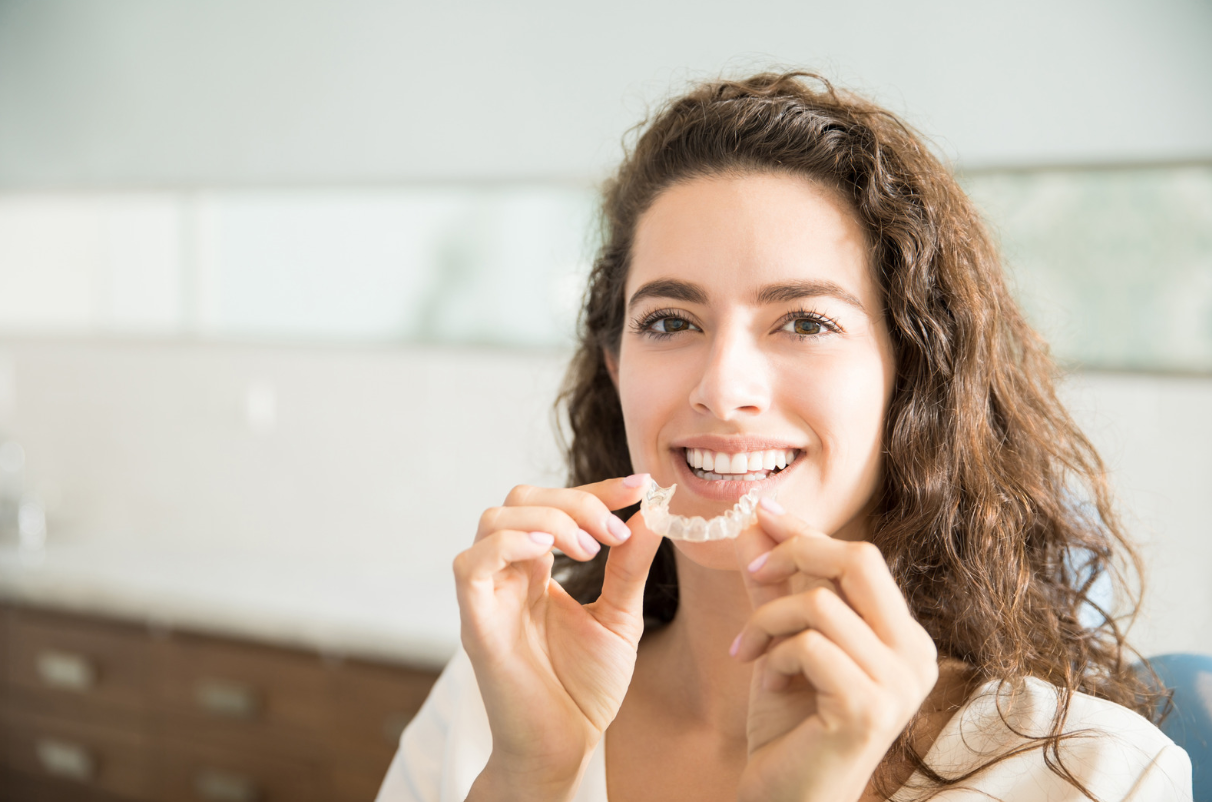
According to most pediatric dentists, an orthodontic evaluation should be at age 7. This is because bone growth is soft, and bad habits can be easily corrected at this time. Also, there is space to shift adult teeth into place. Your child’s smile is still actively growing, and small changes now can shape that growth more perfectly in the future. Here is nothing as involved as full braces.
In this guide, we will tell you why timing matters so much, what you can expect at an early dental checkup, and how a children’s dentistry provider protects your child’s future smile with only one step.
Why Age 7 Is a Key Turning Point
By age 7, the first permanent back teeth and front teeth have usually come in. It gives a dentist the first clear look at how a child’s jaws and teeth really line up. The American Association of Orthodontists (AAO) clearly suggests an orthodontic assessment for a child by this age, since kids still have a mix of baby and adult teeth that can hide crowding, bite issues, or growth and jaw development problems you just cannot see at home.
At this age, a dentist can check three clear things: how the top and bottom teeth fit when your child bites, how much room new teeth really have as they come in, and how the upper and lower jaws are growing compared to each other. These early signs show if your child needs help now or just needs careful watching and give your family real time to plan instead of acting in a stress later.
Problems an Early Orthodontic Check Can Find
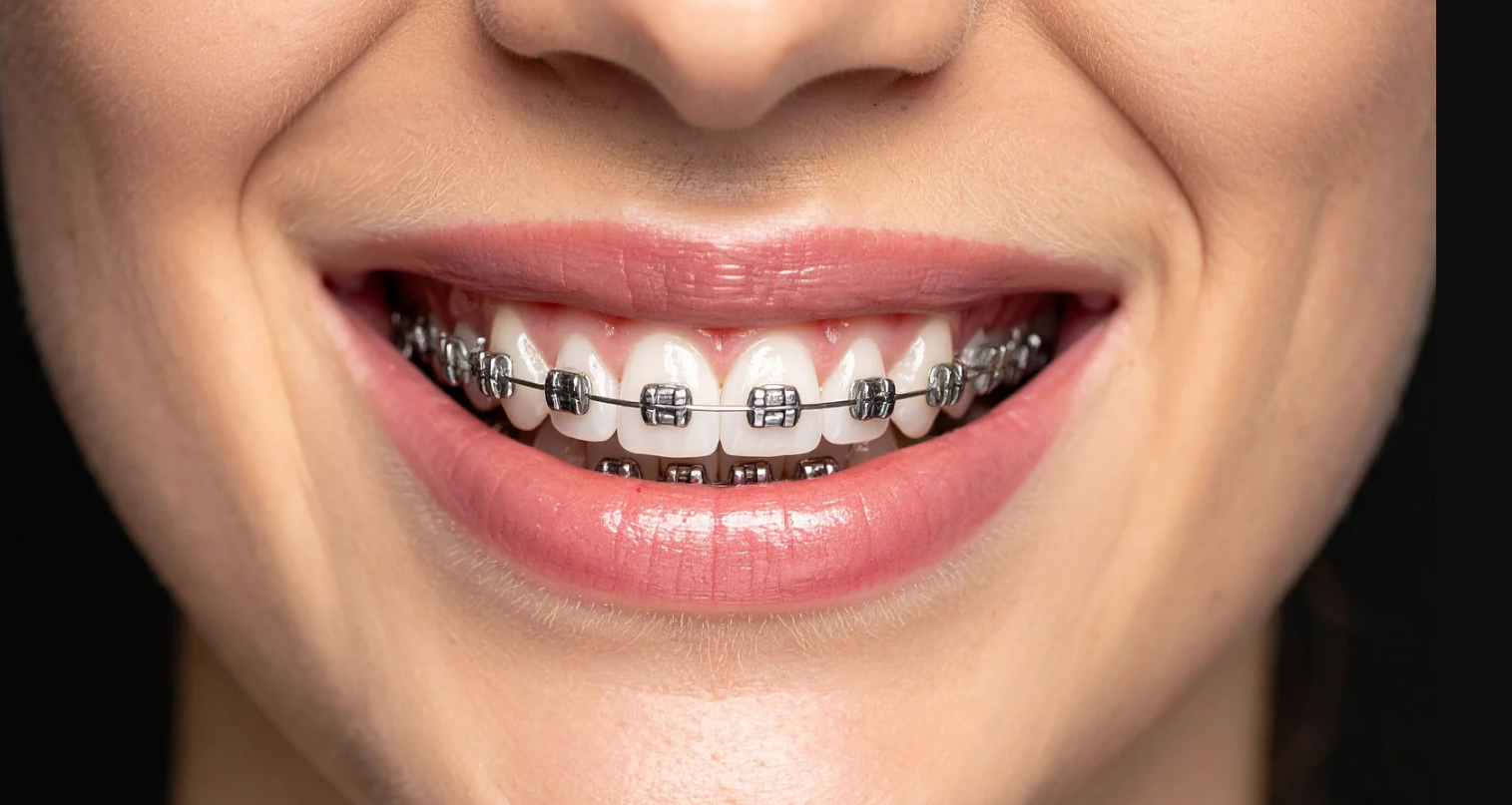
You may not see anything wrong at home, since your child can eat well and smile easily even when small patterns are already starting. A full pediatric orthodontic screening can find three main types of issues before they turn into bigger problems: crowding or gaps where teeth overlap or leave big spaces, bite issues where the upper or lower teeth do not fit right, and jaw growth issues where one jaw grows faster or in a different way than the other.
You should address some of your child’s habits. The worth-watching habits are thumb or finger sucking that continues past age 4, often breathing through the mouth, mostly biting the cheek or lip, and speech or eating problems linked to tooth position. Finding these patterns early often means using tools that guide jaw development in the right direction, which can prevent the need for more serious treatment.
Early Evaluation vs. Waiting: A Simple Comparison
Your outcomes differ when your child gets an early evaluation versus when you wait until the teen years. Get an idea from the following comparison between the two.
Factor | Early Evaluation by Age 7 | First Check in Teen Years |
| Chance to guide jaw growth | Higher; jaws are still very responsive | Lower; growth is almost done |
| Typical length of later treatment | Often shorter, fewer steps | Often longer; problems are more set |
| Need for tooth removal | May be reduced with better space planning | May increase if crowding is severe |
| Impact on speech, chewing, breathing | Problems can be eased before they deepen | Existing habits can be harder to change |
| Emotional strain for your child | Often less; steps are spread out | Often more; many changes at once |
To sum up this comparison: with early knowledge, families have more choices, and waiting will result in fewer options later.
What Happens During an Early Orthodontic Visit
Taking your child for their first orthodontic check-up is actually really calm and simple. There is no pressure, and your child stays in control the whole time. The dentist will usually start with a chat about your child’s habits, any past tooth injuries, and anything you might be worried about. Then they will do a gentle check of how your child bites, breathes, moves their jaw, and how healthy their teeth and gums are. They will also take a few photos or X-rays so they can see the tooth roots, how the jaw is growing, and if there are any teeth still waiting to come in.
After the check-up, you will usually get one of three answers. Sometimes the dentist will say everything looks good and you just need to come back for regular visits. Other times, they can suggest a little early treatment, like a simple device or help with a habit. And sometimes they will recommend seeing a bite specialist for a closer look. The whole point is not to rush your child into braces. It is just to keep more options open for you later on.
How Early Action Can Protect Daily Life
Teeth do much more than make a smile. They help with eating, talking, and sleeping well. When teeth or jaws do not align, daily tasks can slowly become ongoing problems that are not always apparent from the outside.
Early visits can really help in at least three useful ways. A better bite helps with better chewing, which can lower stomach discomfort. Straight teeth help produce clearer speech, which matters both in school and with friends. And since jaw and airway growth are closely tied to breathing, some kids with smaller jaws may snore or wake up more often at night. Guiding growth early can ease all three of these problems at once, supporting the maintenance of both health and schoolwork.
Why Choosing a Trusted Pediatric Provider in Killeen Matters
Keep in mind that not all general dentists have the same level of training in childhood dental growth and jaw development. For this reason, many parents search for a provider with special experience in preventive orthodontic care. A dentist who sees kids regularly at this age range has a much sharper eye. Such a dentist can establish a pattern to distinguish a child who needs watchful waiting from one who should have an early evaluation.
Frequently Asked Questions
Is early orthodontic treatment necessary?
Of course! It is necessary to see an orthodontist early, even as young as age 7, if there is a problem. Treatment at 7 or 10 can guide proper teeth growth. And waiting until age 17 or 18 increases the chances of surgery.
What are the signs my child may need early orthodontic treatment?
You should notice early, late, or unusual loss of baby teeth, difficulty chewing or biting, crowded or misplaced teeth. Also pay attention to habits such as thumb-sucking or mouth breathing, and speech difficulties. With any of these signs, a checkup is a must.
What’s the difference between early and regular orthodontics?
Adult orthodontic treatment is longer and may require extractions or surgery. Early treatment in childhood can reduce the risk of surgery or extractions in adulthood.
Does an early evaluation always mean my child needs braces?
No! Many children are monitored over time after an early evaluation, with treatment only starting later if it is actually needed. The visit is just to collect information, not committing to treatment.
How long does an early orthodontic evaluation take?
A first evaluation is quick and takes 30 to 45 minutes. Here, a conversation, an exam, and sometimes imaging are included. It is simple and non-invasive for your child.
What if my child shows signs of a problem before age 7?
If there are bite issues, crowding, or ongoing habits like thumb-sucking before age 7, you must schedule an evaluation sooner rather than waiting. With early awareness, you can have more options.
Final Thoughts
To sum up, with an early orthodontic evaluation around age 7, families get real information and real choices. It just means simple monitoring or early guidance to avoid bigger issues in the coming years. An expert pediatric dentist or orthodontist spots warning signs much before they become painful, uneven wear, or self-consciousness for your child. If your child is close to age 7 or you have noticed signs worth checking, schedule a consultation with SmileCove’s expert right now.

Smile Cove Pediatric Dental
Smile Cove Pediatric Dental
Gentle, Fun & Expert Pediatric Dental Care
Schedule an Appointment