
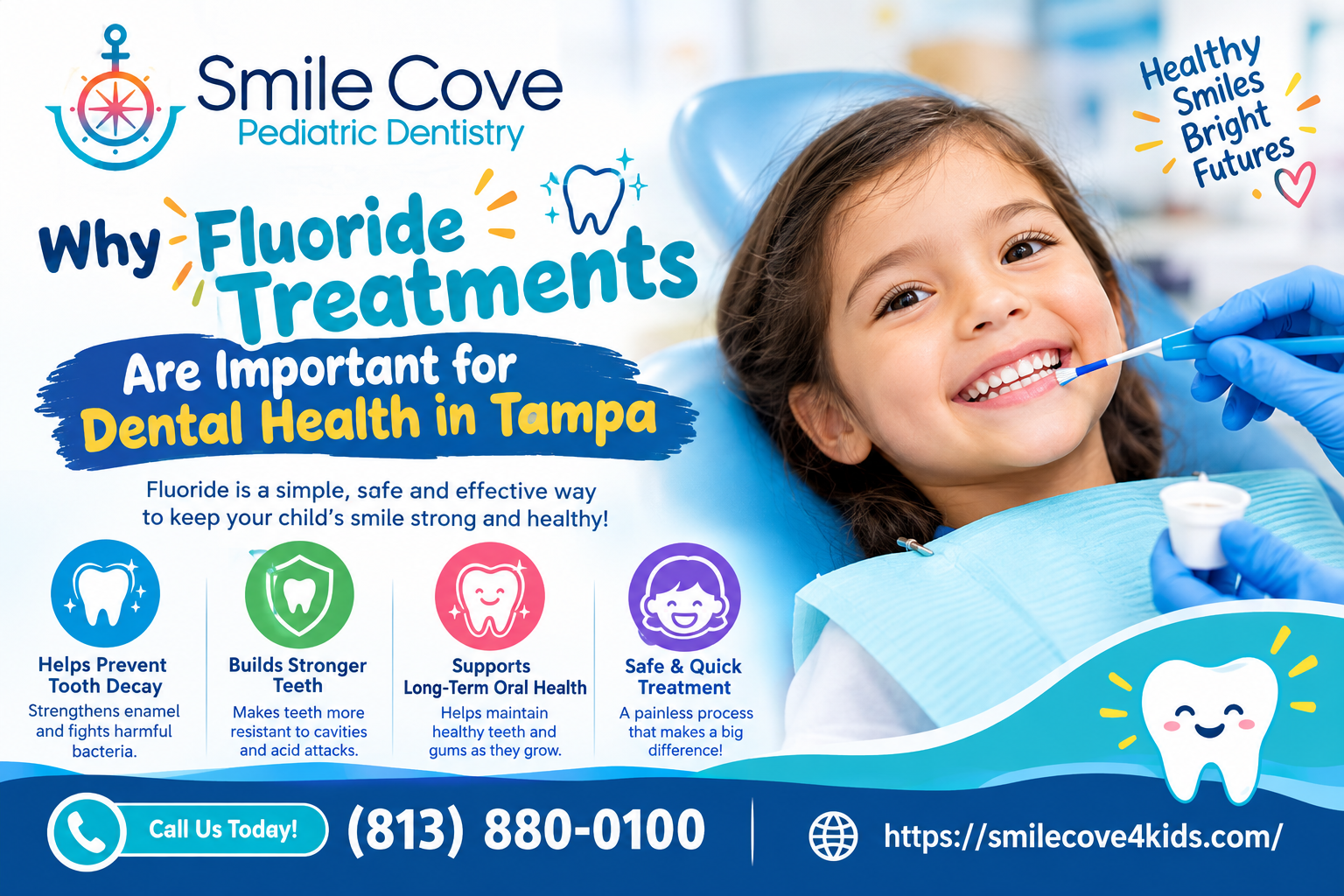
Fluoride treatments in Tampa visits are important because they strengthen enamel and stop early decay. Also, they offer cavity prevention Tampa families can count on, especially now that fluoride is no longer added to the local water supply. That is the short answer. There is a lot more to learn about why dentists throughout the city offer this easy and affordable treatment to so many people.
If you live in Tampa, you have probably noticed that dentists are discussing fluoride more often than they used to, and there is a good reason for it. Professional treatments are now one of the best ways to close the fluoride gap in the public water supply after the Tampa Water Department stopped adding fluoride.
This article explains why fluoride treatment should be a part of your routine dental care, whether you are looking for a kids fluoride dentist for your little one or just want stronger, healthier teeth for yourself.
What Makes Fluoride Treatment So Important in Tampa?
Fluoride treatment matters because it strengthens enamel, stops early decay, and helps avoid cavities before they become costly or painful. According to the American Dental Association, fluoride is one of the best tools for dental prevention at any age.
This is especially important locally, as Tampa’s public water supply no longer contains fluoride because of a statewide policy change. Professional fluoride treatments are more essential than ever in maintaining healthy, cavity-free teeth in Tampa without daily background protection.
How Does Fluoride Actually Protect Your Teeth?
Your teeth’s outer layer is strengthened by fluoride. Additionally, it can fix minor damage before cavities develop. This is made possible by a few essential processes.
Enamel Remineralization
Fluoride replaces minerals lost due to everyday acid exposure from food and drinks. This procedure, also known as enamel remineralization or enamel strengthening treatment. It can really stop early-stage decay before a cavity develops.
Acid Resistance
When fluoride creates a bond with tooth enamel, it makes the outer layer of tooth enamel noticeably more resistant to acids produced by food, beverages, and bacteria. Fluoride-treated teeth hold up better over time, largely because of this increased acid resistance.
Fighting Bacteria
Additionally, fluoride reduces the capacity of harmful mouth bacteria to produce the acids that first cause decay. This makes fluoride one of the most effective long-term tooth decay preventions when combined with strong mineral protection.
Why Does Tampa Need Extra Fluoride Protection?
The local water supply no longer contains fluoride, so Tampa residents may require extra protection. This removes a source of regular cavity protection that many patients used to get on their own. Without most people even realizing it, community water fluoridation helped preserve teeth for years.
Because this protection is no longer available, both adults and children can now benefit from professional office treatments. Preventive fluoride care from your dentist is more important than ever, whether you are a parent raising children in Tampa today or an adult who grew up with fluoridated water.
Who Benefits Most From Fluoride Treatments?
For most people, fluoride treatment is safe and helpful. However, regular professional treatments can be even more useful for some groups.
High-Risk Patients
Tooth decay is more common in people with a history of frequent cavities or ongoing dry mouth. Fluoride can be an important defense for them. Regular treatments provide a simple, low-cost way of reducing that extra risk.
Orthodontic Wearers
Plaque is more likely to build up around brackets and wires in braces and other dental devices. The cavity protection provided by fluoride, which children and adults trust, is especially important for anyone who is already wearing orthodontic hardware.
Children and Seniors
Kids with developing teeth and seniors with exposed root surfaces because of gum recession both benefit greatly from fluoride’s protective effects. For families looking for a reliable kids’ fluoride dentist, this age group is exactly why the treatment is so strongly recommended.
What Happens During a Fluoride Treatment Visit?
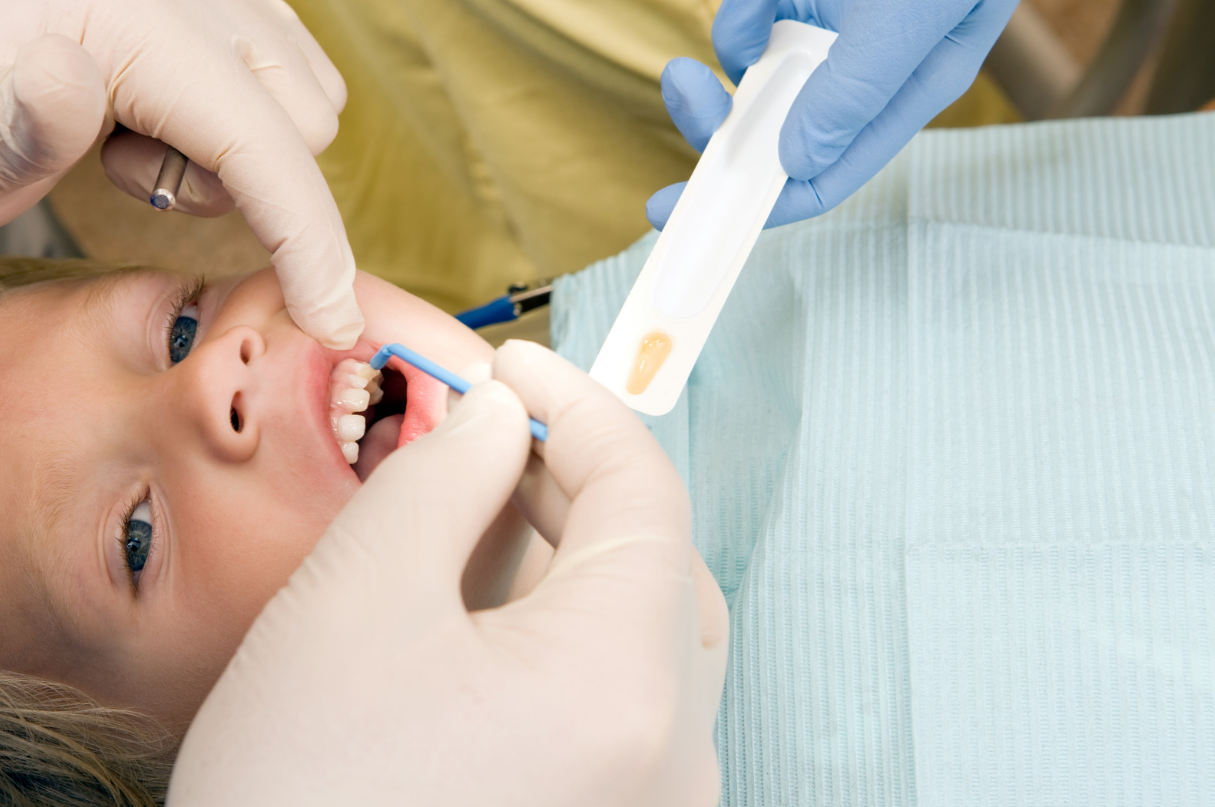
A typical dentist fluoride application usually lasts only a few minutes and is given right after regular cleanings. The dentist or hygienist uses a small brush or tray to apply a high-concentration gel, foam, or varnish to your teeth.
For most patients, the process is quick, painless, and simple to fit into a regular visit. Fluoride treatments are the most affordable ways to keep your smile over time because they usually cost between $20 and $50 out of pocket.
What Should You Avoid After Fluoride Treatment?
Brushing, flossing, hot drinks, and hard or crunchy foods should all be avoided for four to six hours after treatment. Your teeth will absorb the most minerals if you give the fluoride time to complete its set.
For a treatment that provides such strong fluoride benefits for teeth later on, it is a short, simple window of patience. Before you leave, most dentists will provide you with detailed aftercare instructions so you know exactly what to expect.
FAQs
Why is fluoride treatment important for dental health?
The U.S. Food and Drug Administration regulates fluoride dental products as drugs because they effectively prevent cavities in people of all ages. Asking your dentist which fluoride products are right for you is important because they are safe and effective when used as directed.
Is it worth getting fluoride treatment at the dentist?
Yes, using a high-concentration gel, foam, or varnish, professional fluoride treatments help prevent cavities, strengthen enamel, and reverse early decay. The process usually costs between $20 and $50 out of pocket and takes only a few minutes during a normal visit.
What should I avoid after fluoride treatment?
For four to six hours after treatment, you should avoid brushing, flossing, hot liquids, and hard or crunchy meals. For best results, this waiting period allows your teeth to completely absorb the minerals.
Does Tampa’s tap water still have fluoride?
No, the Tampa Water Department stopped adding fluoride to the public water supply after a change in state law. Because of this, getting professional fluoride treatments is more essential than ever for keeping teeth strong and cavity-resistant.
How often should kids get fluoride treatments?
As part of a child’s routine dental check-up, most dentists advise fluoride treatments every six months. Asking your dentist directly is helpful, as children who are at risk of cavities may benefit from more frequent applications.
Can adults benefit from fluoride treatments too?
Fluoride is not only for kids. Regular professional fluoride treatments are often as beneficial for adults with a history of cavities, dry mouth, exposed tooth roots, or orthodontic devices.
Final Thoughts
Families can now rely more on fluoride for cavity prevention in Tampa, especially because fluoride is no longer supplied to the local water supply. This treatment offers many benefits in a small time investment, from strengthening enamel and fixing early decay to protecting high-risk patients, kids, and seniors alike.
Regular visits at SmileCove Pediatric Dentistry in Tampa include fluoride treatment Tampa families can rely on. The treatment is customized to meet the unique needs and risk factors of each patient. Preventive fluoride care remains a top priority whether you are planning care for the entire family or bringing in a toddler for their first checkup.
Schedule a consultation at SmileCove Pediatric Dentistry today if your family has not had a fluoride treatment in a while to offer your teeth the extra care they need.

Smile Cove Pediatric Dental


Smile Cove Pediatric Dental
Gentle, Fun & Expert Pediatric Dental Care
Schedule an Appointment